Desert Locust Invasion in Garissa 2020-2021
Desert Locust Invasion in Garissa 2020-2021
- April 25, 2023
- Posted by: admin
- Category: LATEST NEWS
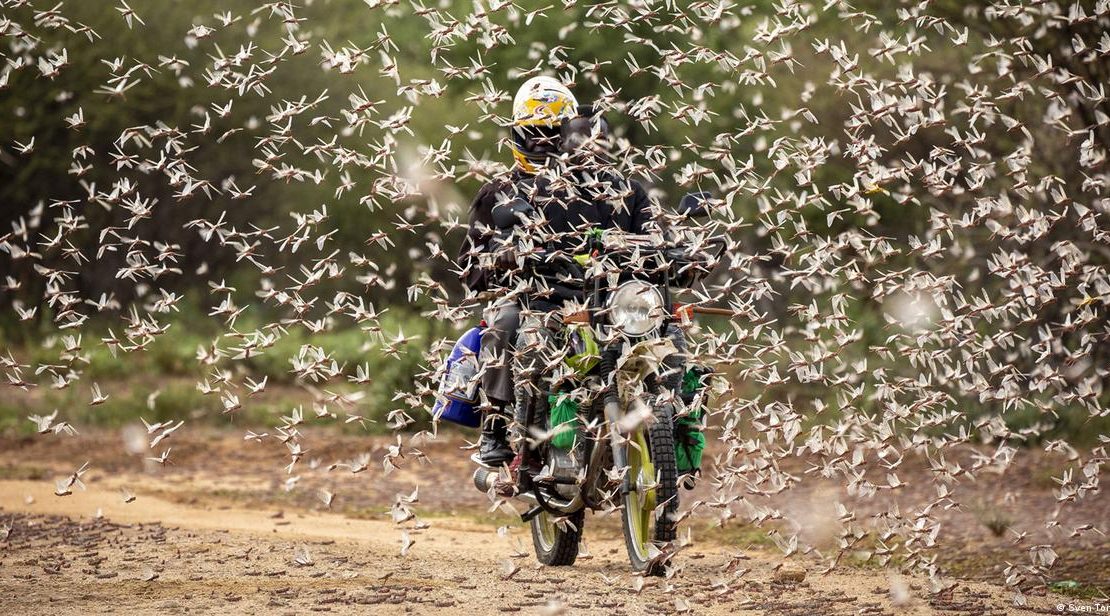
Kenya has not just suffered from the 2020 coronavirus pandemic, but also the worst locust plague in decades. Now, the swarms are returning, and experts are concerned about food security in the region.
Leion Sotik has lost everything. The farmer living in Garissa County, Kenya, still remembers what happened just a year ago, right during harvest season. The invaders came — and destroyed everything on his maize plantation. “I am very desperate,” he told DW. “I was expecting a harvest to feed my family and take the children to school. Look at how my crops have been destroyed. Everything is gone now.”
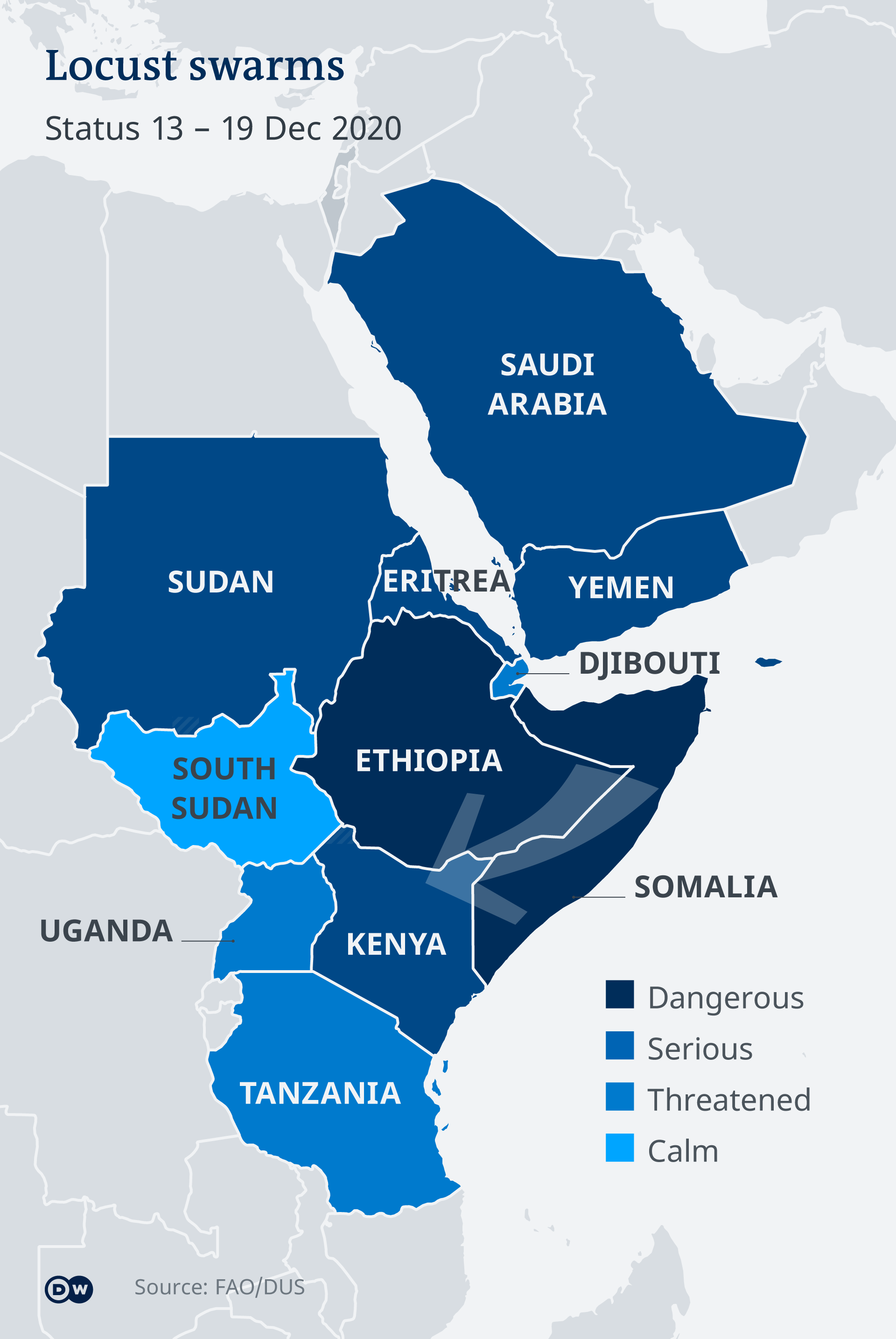
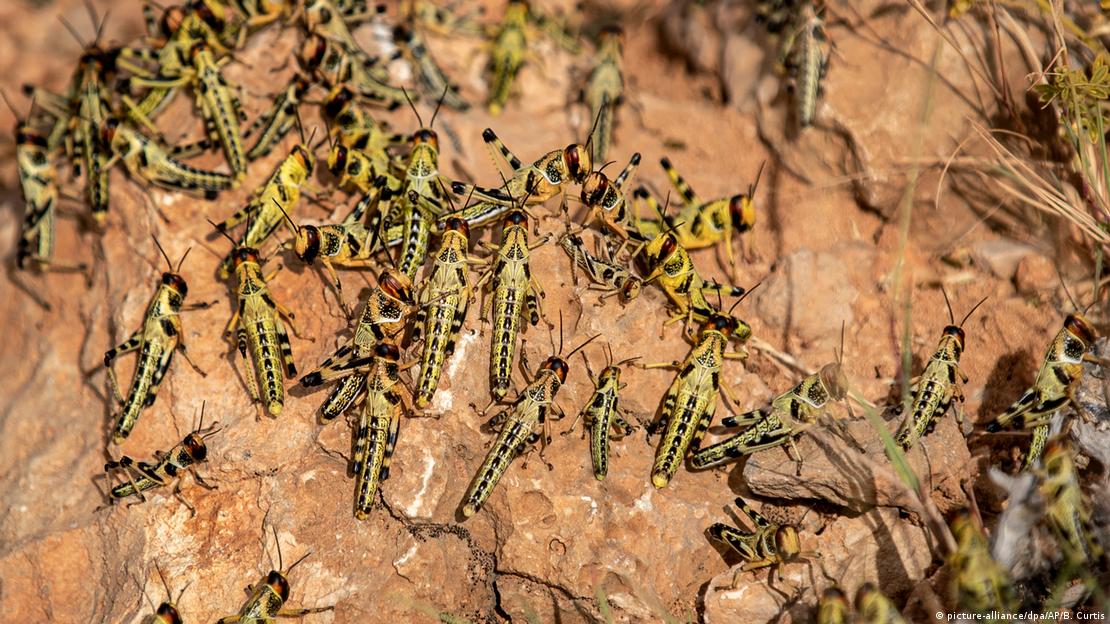
The culprits are one of the world’s oldest pests and probably have their most famous reference in the Old Testament’s Book of Exodus: Locusts. In 2020, a plague of the hoppers invaded East Africa, ravaging crops and pastures and driving the level of human hunger and economic hardship higher in parts of the region. One year later, right at the start of 2021, the United Nations has warned that a second and maybe even deadlier re-invasion of locusts has already begun.
Trillions of locusts in Kenya
The first wave of the pests emerged at the end of 2019, numbering in hundreds of billions, multiplying by a factor of 20 per generation, according to the UN Food and Agriculture Organization (FAO). The second generation in March and April numbered in the trillions. A plague that spread like wildfire — up to now.
“It’s a continuation of the 2020 locusts swarm. The adults have flown to various areas and are laying eggs”, Frances Duncan, Professor of Animal, Plant & Environmental Sciences at the University of the Witwatersrand, told DW. “If we have good rains like it is the case at the moment in most areas, the hoppers will hatch, and we get the second wave of the swarm.”
However, Keith Cressman, FAO’s Senior Locust Forecasting Officer, remains optimistic. “I think it’s still a very dangerous situation. But it should not be worse as it was last year.” According to the weather forecast, the months to come should be dry, reducing the locusts’ reproductive rate.
Threatening food security
Kenya was heavily affected by the worst invasion of locusts in 70 years. In Garissa, the insects have driven farmers into despair: Their farms’ total yields in 2020 were destroyed in less than 24 hours.
Nur Fadhil remembers that they had no chance against the plague. “We have tried chasing the locusts away, but our efforts were in vain. The locusts spent the night on our farms. When we woke up the next day, they were still here. They had munched on everything on the farm. We have gone through massive losses,” Fadhil said.